

Tucson Gem Show Statistics: Economic Impact & The Showcase by the Numbers (2027 Guide)
Every year, between late January and mid-February, the desert city of Tucson, Arizona, undergoes a radical transformation. It is no longer just a Southwestern city; it becomes the Global Capital of Precious Stones, Minerals, and Fossils.
To understand the sheer magnitude of the upcoming 2027 Tucson Gem, Mineral & Fossil Showcase, one must look past the glittering displays and examine the hard data from recent record-breaking years.
The following report breaks down the event through its most compelling official statistics, demonstrating its unparalleled economic and cultural impact.
- Executive Summary: Economic Impact Report Highlights
- 1. The 6 Million Economic Engine
- 2. A Global Gathering: 113,000+ Attendees
- 3. The Scale of Selection: 52 Venues and 6,700+ Exhibitors
- 4. Why This Matters: The Resilience of Natural Wealth
- 5. Logistics and Infrastructure: A City-Wide Takeover
- Conclusion: The Ultimate Treasure Map
Executive Summary: Economic Impact Report Highlights
The latest comprehensive economic impact report reveals unprecedented growth and solidifies the Showcase as a critical economic pillar. Key findings include:
- $229.5 Million in State GDP: The event generated massive economic activity, creating 2,766 jobs and paying $131.1 million in combined labor income.
- Buyers Drive the Economy: Out-of-area buyers accounted for over 75% of the total economic impact, with an average daily expenditure of $293.34.
- Extended Stays Maximize Revenue: The prolonged nature of the show resulted in 189,244 hotel room nights, distributing wealth across the entire month.
- Unmatched Industry Loyalty: 81.8% of exhibitors and 64.9% of buyers were repeat participants, with 91% of exhibitors planning to return in the following years.
- Identified Opportunities for 2027: Strategic improvements in centralized event information, parking coordination, and food options are paving the way for future infrastructural enhancements.
1. The 6 Million Economic Engine
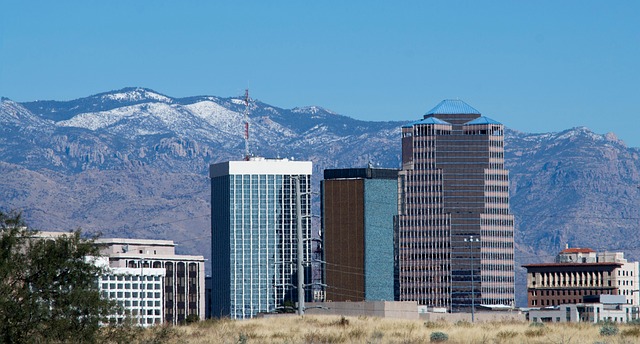
The most staggering figure associated with the showcase is its direct financial contribution to the local and global economy. According to the comprehensive study, the event generates over $286 million in direct spending.
- The Surge: This represents a massive 77.7% increase in direct visitor expenditures compared to the 2019 figures. Even accounting for inflation, the “real” growth of the show indicates a post-pandemic hunger for tangible assets and natural history.
- The Tax Benefit: The showcase generated approximately $27.9 million in state and local tax revenues, directly funding local government operations, infrastructure, and public services.
Source: Visit Tucson: Gem Show Generates $286 Million in Direct Spending
2. A Global Gathering: 113,000+ Attendees
While many trade shows struggle to maintain physical attendance in a digital age, Tucson is seeing record-breaking crowds driven heavily by professional buyers.
- 113,342 Attendees: The data shows an enormous increase in buyers, setting a massive baseline for 2027. Out-of-area buyers accounted for 75.5% to 76.6% of the total economic impact metrics.
- Global Footprint: Attendees travel from over 42 countries. Almost half (47.5%) of the attendees arrived from outside of Arizona, representing true global reach.
- Duration of Stay: The average out-of-town buyer stays for 5.5 days, while exhibitors average 19.2 days, and show owners remain for a full 31.3 days. This extended engagement distributes revenue flows across an entire month rather than a single weekend.
Source: Visit Tucson Media & Fact Sheet
3. The Scale of Selection: 52 Venues and 6,700+ Exhibitors
The “Show” is actually a collection of over 50 independently managed shows running simultaneously across the city.
| Metric | Figure | Note |
| Total Venues | 52 | Spanning hotels, tents, and convention centers. |
| Exhibiting Companies | 6,709 | A 37% increase since 2019. |
| Variety | 1,000,000+ SKUs | From $1 crystals to $5,000,000 museum-grade fossils. |
The sheer density of sellers means that Tucson dictates the global market price for minerals for the remainder of the year. Furthermore, 8 out of 10 show owners and 83% of exhibitors identify the Tucson Showcase as their largest annual event, confirming its primacy in the industry calendar.
4. Why This Matters: The Resilience of Natural Wealth
Why do these numbers continue to climb? For the international audience—particularly those from the US and Europe—gems and minerals have shifted from “hobbyist collectibles” to alternative asset classes.
- Tangible Assets: In an era of digital volatility, high-end minerals and gemstones offer a physical store of value that has historically outpaced many traditional investments.
- Scientific Discovery: The showcase is a hub for the University of Arizona’s Alfie Norville Gem & Mineral Museum, connecting commercial trade with academic excellence.
- The Experience Economy: Retail transactions and tourism-related consumption are the primary economic engines. On-site retail purchases averaged $3,643.68 among buyers who bought items for personal collections or inventory.
5. Logistics and Infrastructure: A City-Wide Takeover
To support these massive figures, the infrastructure required is immense. However, recent reports also highlight critical areas for development as the show looks toward 2027:
- Hotel Occupancy & Lodging: Lodging expenditures totaled $121.2 million. Approximately 37.7% of all hotel rooms in the Tucson area were occupied during the four-week event, generating 189,244 hotel room nights.
- The Cost Challenge: Rising hotel rates present an accessibility challenge. In recent data, 32.4% of buyers paid over $201 per night, a significant increase from 14% in 2019.
- Infrastructure Opportunities: Stakeholders have identified operational gaps, such as limited food options near convention centers, parking complexities, and the need for centralized event information. Addressing these factors presents actionable opportunities to transform the visitor experience and elevate the show even further.
Conclusion: The Ultimate Treasure Map
As we look toward the 2027 season, the Tucson Gem, Mineral & Fossil Showcase is more than a market; it is a global barometer for the jewelry and mineral industries. Delivering nearly $230 million in GDP impact and maintaining incredibly strong repeat participation rates, it remains the most significant event of its kind on the planet.
For the professional buyer, it is a necessity. For the investor, it is an opportunity. And for the city of Tucson, it is an economic heartbeat that sustains the community.
The numbers are clear: There is no other place on Earth where the history of our planet and the future of our economy intersect so vividly.